

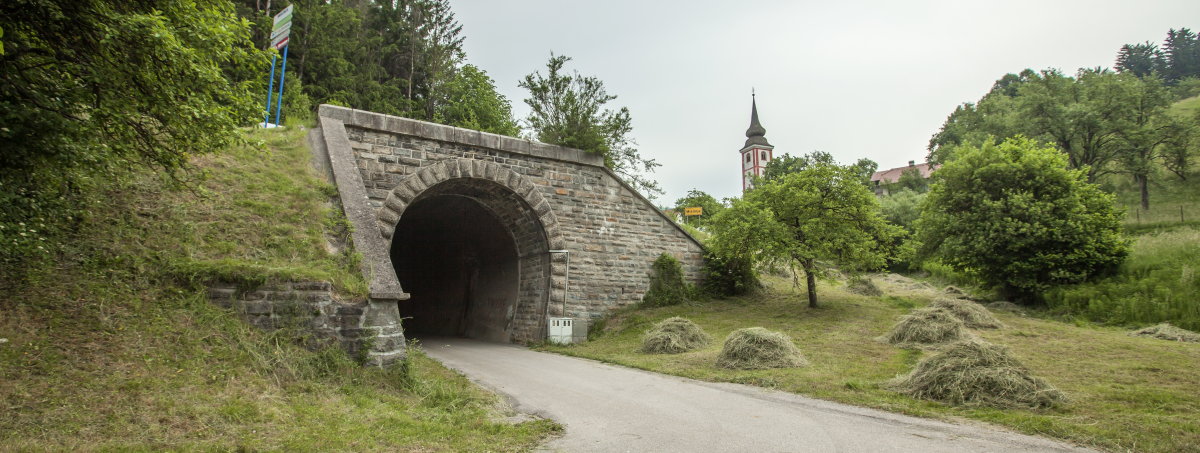
Agricultural underpasses are providing farmers with a practical way to separate livestock movements from public roads, reducing interaction with live traffic and supporting safer farm operations.
The completion of a 75th agricultural underpass project in Ireland highlights the role of dedicated infrastructure in improving safety on farms where public roads divide agricultural land. Dublin-based civil and structural engineering consultancy Will Rudd has reached the milestone after being appointed to deliver its latest underpass project, with the company having worked on agricultural underpasses across Ireland since entering the market in 2021. The structures allow livestock to move between fields beneath roads rather than crossing live traffic routes, addressing a specific risk faced by farms divided by public roads.
Agricultural underpasses can provide a physical separation between livestock and road users, reducing the need for farmers to move animals across roads and limiting potential interactions between agricultural activity and passing traffic. The approach is particularly relevant where farms operate across fragmented land holdings and livestock must be moved regularly between fields. From a health and safety perspective, infrastructure that removes the need for repeated road crossings can form part of a wider risk-control strategy alongside appropriate livestock handling procedures, farm traffic management and safe working practices.
Government policy also recognises the importance of capital investment in farm safety. Ireland’s Farm Safety Capital Investment Scheme provides financial support for investments intended to improve the safety of farmers and their farms. The wider Targeted Agricultural Modernisation Scheme (TAMS 3) also identifies cattle underpasses among eligible agricultural investments.
Farm safety remains a significant occupational safety issue in Ireland. The Department of Agriculture, Food and the Marine has described farm safety as a critical concern, with livestock, vehicles and machinery among the hazards that require effective risk management. In 2026, the Department again prioritised farm safety applications under TAMS 3, confirming that all eligible applications under the farm safety scheme would be selected in the relevant tranche.
For farmers, the safety value of an underpass extends beyond the movement of livestock. Removing repeated crossings of public roads can reduce disruption to farming operations while creating a more controlled route between land holdings. The effectiveness of such infrastructure, however, depends on appropriate design, construction, maintenance and integration with wider farm safety procedures.
For the sector, the lesson is clear: farm safety is not limited to equipment and personal behaviour. The design of agricultural infrastructure can also remove hazards at source. As farmers continue to invest in modernising holdings, measures that physically separate livestock and agricultural activity from public traffic can form an important part of a broader approach to preventing incidents and creating safer working environments.
Source: Premier Construction News / Department of Agriculture, Food and the Marine / Will Rudd








.png)
