

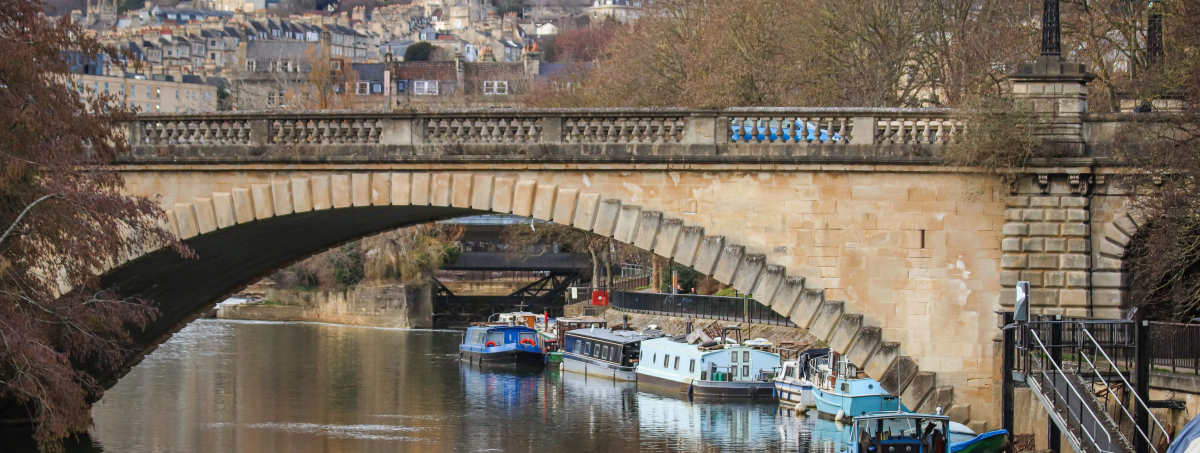
Planned replacement of Durham’s Baths Bridge highlights the role of structural assessment, risk management and targeted investment in maintaining safe public infrastructure.
Work to replace Baths Bridge in Durham is expected to begin later this year after structural concerns led to barriers being installed on the crossing connecting Pelaw Leazes Lane and Elvet Waterside. The BBC News report on the planned replacement says preparatory work, including ground investigations, is expected to begin before the end of 2026.
The existing bridge has been subject to restrictions after Durham County Council identified failures affecting its deck and abutments. The council's Highway Asset Management Plan identifies Baths Footbridge as a priority structure requiring significant investment, with restrictions already in place while the crossing remains open.
For health and safety professionals, the project demonstrates the importance of identifying structural deterioration before it develops into a more significant public safety risk. Barriers and access restrictions provide interim controls while further investigation and design work take place, allowing the authority to manage existing risks while developing a permanent solution.
The replacement is being supported by £7.5m from the North East Strategic Authority and the Consolidated Active Travel Fund. The investment provides resources to move the project from condition assessment and investigation towards delivery, while demonstrating how public funding can support the renewal of ageing infrastructure.
The planned ground investigation work will also play an important role in the safety of the replacement project. Durham County Council says routine inspections are used to monitor the condition of highway structures and prioritise investment, creating a process that links asset condition with decisions around maintenance, refurbishment and replacement.
The project illustrates the wider importance of lifecycle thinking for public infrastructure. Bridges, pedestrian routes and other transport assets require ongoing inspection and maintenance, but where deterioration becomes significant, replacement can provide a more sustainable long-term response than repeated intervention.
For facilities and infrastructure managers, the Baths Bridge project provides a practical example of how condition monitoring can inform capital investment. Identifying defects, applying temporary controls, undertaking further investigation and developing a replacement programme creates a structured approach to managing assets where safety and service continuity are closely connected.
The replacement will also require careful management of construction access and the surrounding environment. Land at Elvet Green is expected to be used for construction access, meaning the project will need to consider site logistics, public movement and the safe separation of construction activities from surrounding users.
For the sector, the Baths Bridge project highlights how proactive asset management can turn structural safety concerns into a planned programme of investigation, investment and renewal. For health and safety professionals, the wider lesson is that effective infrastructure safety depends not only on responding to defects, but on having inspection systems and investment strategies capable of addressing risks before they become more serious.
Source: BBC News / Durham County Council











.png)
