

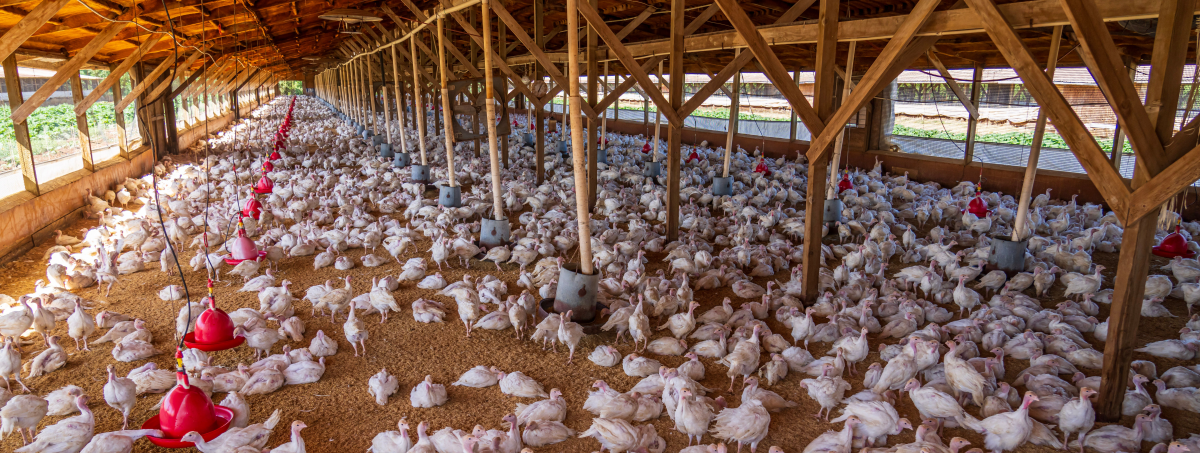
Ireland's agricultural sector is highlighting the value of proactive safety planning, fatigue management and preventative investment as farmers adapt to increased workloads during ongoing drought conditions.
The Irish Creamery Milk Suppliers’ Association (ICMSA) has encouraged farmers to keep safety at the forefront while managing the additional demands associated with maintaining livestock, water supplies and feed. The situation provides an opportunity to reinforce practical measures that can help protect workers during sustained periods of high activity.
For health and safety professionals, the focus on fatigue management is particularly significant. The Irish Farmers Journal report highlights how extended workloads can increase the importance of adequate rest, realistic task planning and preventative risk management across agricultural workplaces.
Agriculture involves a wide range of activities, including the use of machinery, vehicles and equipment alongside livestock handling. Strengthening safety planning during busy periods can help farmers manage these activities more effectively, ensuring that operational demands do not compromise established workplace controls.
The ICMSA has also drawn attention to the importance of supporting older farmers and maintaining safe working arrangements for people with different levels of experience and capability. Its engagement with Age Action reflects a wider recognition that farm safety benefits from considering the individual needs of those carrying out work.
Financial support is also helping create opportunities for preventative safety improvements. The Targeted Agricultural Modernisation Scheme (TAMS) provides grant support for eligible farm safety investments, helping operators improve equipment and working environments as part of longer-term safety planning.
Additional investment measures are available through the Accelerated Capital Allowances scheme for farm safety equipment, which covers a range of qualifying safety and adaptive equipment. These supports can help make practical improvements, from safer livestock handling and equipment protection to better lighting and farm infrastructure.
For farm operators, the combination of financial assistance and proactive risk management provides a constructive framework for strengthening safety. Equipment maintenance, appropriate guarding, safe access and well-organised workloads can all contribute to safer day-to-day operations, particularly when environmental conditions create additional demands.
The current conditions also demonstrate the importance of adaptable health and safety planning. By reassessing workloads, scheduling tasks realistically and reviewing controls as circumstances change, farms can respond to operational challenges while maintaining a strong focus on worker protection.
For the sector, the lesson is clear: demanding weather conditions can also accelerate positive safety action. By combining fatigue management, preventative planning and available investment supports, Irish farmers have an opportunity to strengthen workplace safety and build greater resilience for future operational challenges.
Source: Irish Farmers Journal / ICMSA / Department of Agriculture, Food and the Marine







.png)
