

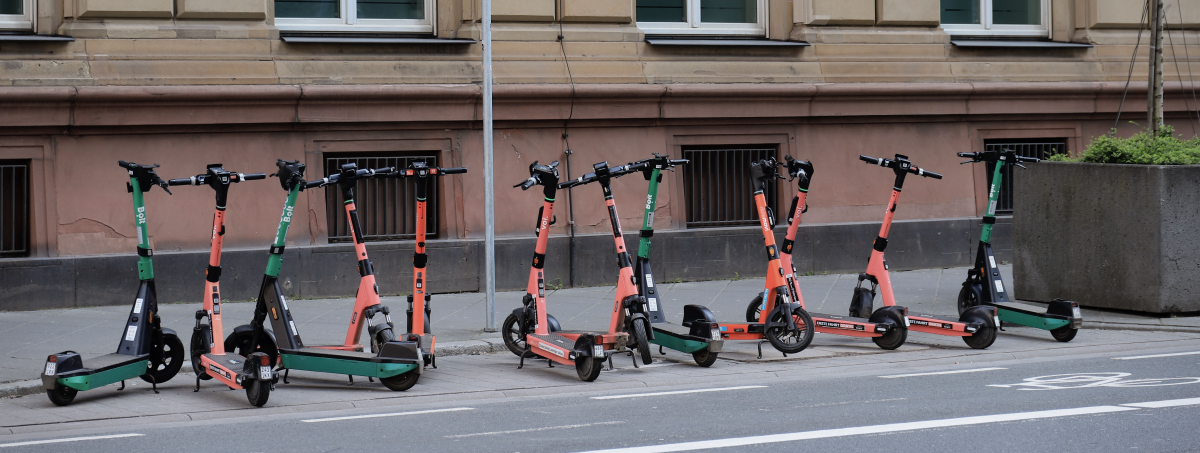
Ireland's proposed e-scooter reforms highlight the growing role of evidence-based regulation in reducing transport-related injuries.
Ireland is preparing to introduce a series of new e-scooter regulations, including compulsory helmet use, registration, licensing requirements and an increase in the minimum riding age from 16 to 18. The proposals follow a rise in serious injuries involving e-scooters, particularly among children, and aim to strengthen enforcement while improving road safety. The measures, which remain subject to legislative approval, would represent some of the most comprehensive e-scooter regulations proposed in Europe.
The proposals reflect a broader challenge facing governments as micro-mobility becomes an increasingly common mode of transport. While countries across Europe have introduced measures such as helmet mandates, speed limits and minimum age requirements, researchers continue to find limited evidence that any single intervention significantly reduces injuries on its own. According to the European Transport Safety Council (ETSC), stronger evidence exists for helmet use than for registration or licensing schemes, while differences in reporting methods between countries make it difficult to directly compare safety outcomes.
The scale of the safety challenge is becoming increasingly evident. Children's hospitals in Ireland have reported a significant rise in traumatic brain injuries linked to e-scooter incidents, while the Road Safety Authority (RSA) has recorded multiple rider fatalities in recent years. Across Europe, the ETSC estimates that 119 people were killed and more than 5,800 were seriously injured in reported e-scooter collisions during 2022, reinforcing concerns over rider protection, vehicle standards and safe road infrastructure.
For health and safety professionals, the debate extends beyond legislation alone. The OECD International Transport Forum has found that between 30% and 40% of e-scooter crashes involve poor road surfaces, highlighting the importance of infrastructure alongside rider behaviour. International safety experts increasingly advocate a combined approach that includes lower speed limits, improved vehicle standards, dedicated cycling infrastructure, effective enforcement and public education, rather than relying on regulatory changes in isolation.
For the sector, the lesson is clear: effective micro-mobility safety depends on a balanced strategy rather than a single legislative solution. As e-scooters become more widely used for commuting and short-distance travel, organisations responsible for transport planning, workplace safety and public infrastructure will increasingly be expected to integrate evidence-based risk management into policy, urban design and operational practice.
Source: RTÉ News / European Transport Safety Council (ETSC) / Road Safety Authority (RSA) / OECD International Transport Forum












.png)
