

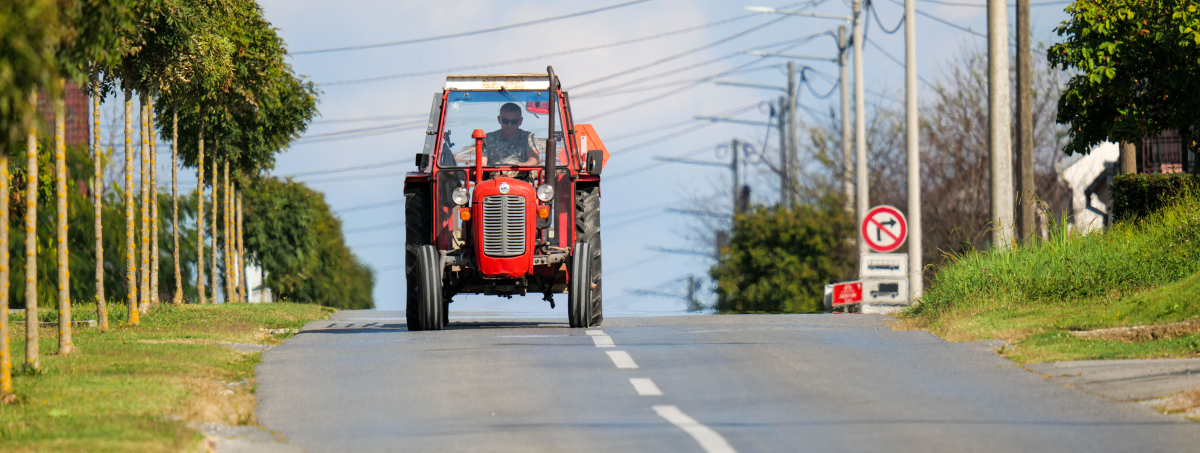
Improving farm safety in Ireland requires more than regulatory compliance, it depends on practical guidance, meaningful engagement and a shared commitment to creating safer workplaces across the agricultural sector. The Health & Safety Authority Ireland has taken an important step in that direction by launching a public consultation on two revised codes of practice designed specifically for farms with three or fewer employees. At a time when farming continues to account for a disproportionate share of workplace fatalities, the consultation presents an opportunity to strengthen risk management and build a lasting safety culture across Ireland's farming communities.
The consultation focuses on two key documents: a revised code of practice for risk assessment and a code of practice for preventing injury and occupational ill health. Under the Safety, Health and Welfare at Work Act 2005, these codes provide a practical alternative to a full written safety statement for smaller farms, recognising the realities faced by family-run agricultural businesses. By making compliance more accessible, the updated guidance has the potential to improve occupational health and safety while supporting farmers in managing everyday risks more effectively.
Importantly, the consultation recognises that lasting improvements in workplace safety are most successful when they are developed with those working on the ground. The Health & Safety Authority has invited farmers, representative organisations, advisers and contractors to contribute their experience, helping ensure the revised guidance reflects the practical challenges of modern farming. This collaborative approach offers an opportunity to strengthen both compliance and confidence, encouraging greater adoption of good safety practices across the sector.
International experience demonstrates the value of involving industry in developing safety guidance. The UK's Health and Safety Executive has shown how combining practical guidance, targeted engagement and sector participation can contribute to measurable improvements in agricultural safety outcomes. Ireland now has the opportunity to build on similar principles by ensuring its updated codes of practice are easy to understand, practical to implement and supported through ongoing education and advisory services.
Several measures could further enhance the impact of the revised guidance. Farm representative organisations could coordinate evidence-based submissions that help identify where additional support or clarification is needed. Plain-language visual risk assessment tools would make the guidance more accessible for smaller farms, while closer collaboration between the Department of Agriculture, Teagasc and the Health & Safety Authority Ireland could help integrate the new codes into advisory programmes and everyday farm management. Together, these steps would strengthen risk management while making occupational health and safety an integral part of daily farming operations.
The consultation represents more than a regulatory update. It provides an opportunity to reinforce farm safety Ireland through practical guidance, stronger partnerships and a renewed focus on prevention. A well-designed code of practice, informed by the experiences of farmers and supported by effective implementation, can help foster a stronger safety culture, improve workplace safety and support the long-term sustainability of Ireland's agricultural sector. With the consultation remaining open until 31 July, stakeholders have an important opportunity to help shape guidance that delivers meaningful improvements for farms across the country.
(The views expressed by the writer are his/her own and do not necessarily reflect the views or positions of BusinessRiver.)







.png)
