

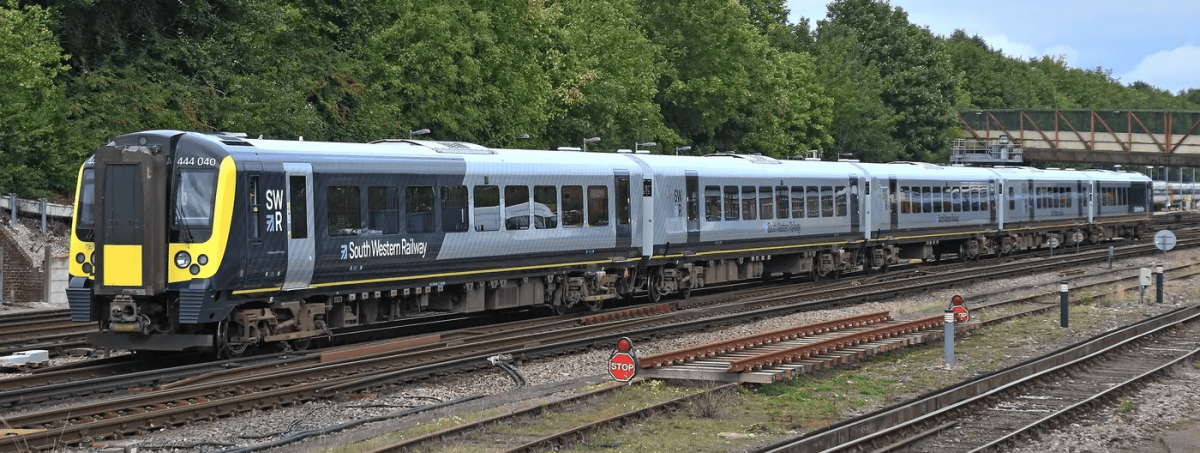
Passengers could benefit from safer and more accessible rail journeys as the UK Government moves towards making unassisted level boarding a standard expectation for new Great British Railways trains.
The development, reported by the Daily Echo, forms part of the Government’s wider strategy for future rolling stock and railway infrastructure. Under the new approach, trains will be designed to provide level boarding with standard Network Rail platform heights wherever possible, reducing the gap between train doors and platforms.
The Government says the change is intended to benefit disabled passengers, older people, parents with pushchairs and passengers carrying luggage. By reducing the need for assistance when boarding, the approach could make journeys easier while giving passengers greater confidence when moving between platforms and trains. The Department for Transport describes level boarding as a baseline expectation for new trains under Great British Railways.
For Health & Safety teams, the significance extends beyond accessibility. The interface between a train and platform is a busy transition point where passengers are required to move across a physical gap. Designing new rolling stock around compatible platform heights provides an opportunity to address that interface through asset design, rather than relying solely on passenger assistance or additional measures after trains enter service.
The policy also forms part of a wider effort to create a more integrated railway. The Government’s rolling stock and infrastructure strategy is intended to improve coordination between trains, infrastructure, depots and maintenance, creating a more consistent approach to investment and long-term railway planning.
Great British Railways is being established as the new public body responsible for bringing together track and train operations. The Government expects the organisation to be operational in 2027, with the wider reform programme intended to reduce fragmentation and improve reliability and value for passengers.
The level-boarding commitment demonstrates how passenger safety can be incorporated into transport infrastructure at the design and procurement stage. Rather than treating accessibility as an additional feature, the approach makes an easier and more independent boarding part of the expected specification for future trains.
For the sector, the development highlights the role of design in creating safer public environments. Building accessibility and easier passenger movement into new rolling stock can reduce physical barriers, improve the passenger experience and support a more inclusive railway as Britain invests in its future transport network.
Source: Daily Echo / Department for Transport / Great British Railways







.png)
