

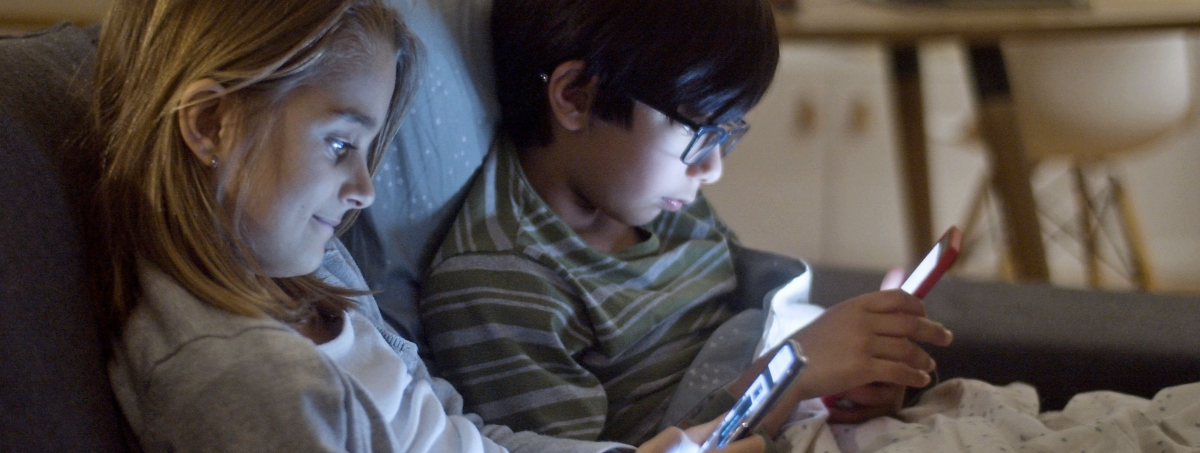
Ireland is positioning online child safety as a priority of its EU Council Presidency, with Minister for Culture, Communications and Sport Patrick O’Donovan saying Ireland is ready to lead negotiations on new EU-wide measures addressing children’s access to social media.
The development follows the European Commission’s plans for an EU Kids Act, with the Commission expected to present its draft legislation this week. The proposal could introduce stronger age-based restrictions and safeguards across digital services, although important details, including the precise age threshold, remain under development.
Ireland currently holds the rotating Presidency of the Council of the European Union, where it coordinates Member State discussions and helps advance legislative negotiations. The Presidency has identified online safety for children and young people as a specific priority, providing Ireland with a direct role in shaping the next stage of EU policy.
For Health & Safety professionals, the development reflects an expanding understanding of safeguarding and risk prevention in environments where children increasingly spend significant amounts of time. Digital platforms can expose young users to harmful content and other risks, making online safety increasingly relevant alongside established physical and psychological wellbeing measures.
The Irish Presidency's online safety conference in Dublin brought policymakers, technology stakeholders and other organisations together to consider how protections for children and young people should develop. The broader policy direction places greater emphasis on prevention, age assurance and clearer responsibilities for online platforms.
For organisations working with children and young people, the implications could extend beyond technology providers. Schools, education bodies, youth services and other organisations may need to consider how digital risks interact with existing safeguarding procedures, particularly where technology is used for learning, communication and service delivery.
The regulatory direction also extends into artificial intelligence. The EU AI Act Service Desk confirms that new prohibitions covering the generation or manipulation of non-consensual intimate material and child sexual abuse material will apply from 2 December 2026.
For the sector, Ireland’s Presidency demonstrates how Health & Safety and safeguarding responsibilities are extending into the digital environment. The emerging EU framework points towards stronger prevention, clearer accountability and more consistent risk controls, giving organisations an opportunity to treat online safety as part of wider wellbeing and safeguarding strategies rather than as a separate technology issue.
Source: Euractiv / Irish Presidency of the Council of the European Union / EU AI Act Service Desk










.png)
