

Irish employees need an average of 10 consecutive days away from work to fully recharge, according to new research highlighting changing annual leave habits and the growing importance of workforce planning and employee wellbeing.
Reported by RTÉ Ireland, the findings come from payroll and HR solutions provider SD Worx, which surveyed 16,500 employees and 5,936 employers across 16 European countries, including 1,000 employees and 301 employers in the Republic of Ireland. The research found Irish workers require an average of 10 consecutive days off, including weekends, to recover properly from work, compared with the European average of 13 days.
The survey also indicates that annual leave patterns are evolving. Rather than taking a single extended holiday, almost 60% of Irish employees now prefer a combination of shorter, ad hoc breaks alongside longer holidays throughout the year.
According to SD Worx, this shift has important implications for employers responsible for balancing employee wellbeing with operational requirements. As leave becomes more evenly distributed across the year, organisations face increasing challenges in planning capacity, managing workloads and maintaining service levels.
The research found that more than 70% of employees in Ireland were able to take all of their annual leave during the previous year, while 55% said they could take holidays without placing additional pressure on colleagues. Ireland also performed strongly in terms of management support, with 54% of employees saying their managers actively encouraged them to take leave, compared with the European average of 41%.
However, the findings also revealed a gap between employees' desire for greater flexibility and existing workplace practices. Around 76% of Irish workers are still required to request annual leave in advance, with an average notice period of 27 days.
SD Worx said organisations will increasingly need better workforce planning tools, improved visibility of staffing levels and clearer team coordination to accommodate more flexible leave patterns while maintaining business continuity.
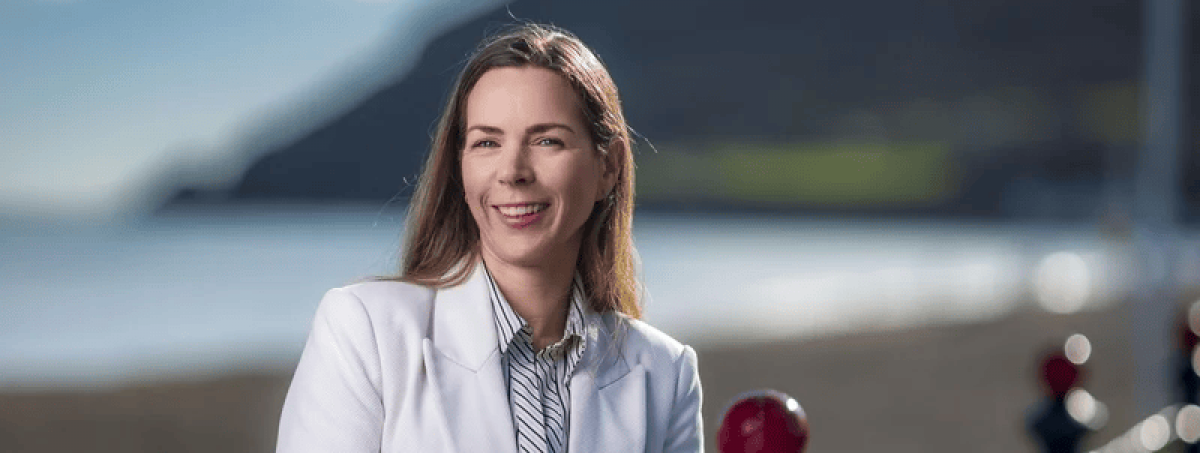
Eimear Byrne, Managing Director of SD Worx Ireland, said the issue extends beyond the amount of annual leave employees receive.
She said employers are managing an increasingly complex leave landscape, balancing traditional peak holiday periods with more fragmented leave requests throughout the year. Byrne added that organisations must continue to plan resources effectively while supporting employee wellbeing and ensuring day-to-day operations continue smoothly.
The findings underline how annual leave is becoming an increasingly important element of workplace health and safety strategies, with employee recovery, wellbeing and workforce resilience playing a growing role in sustaining productivity and organisational performance.





.png)
