

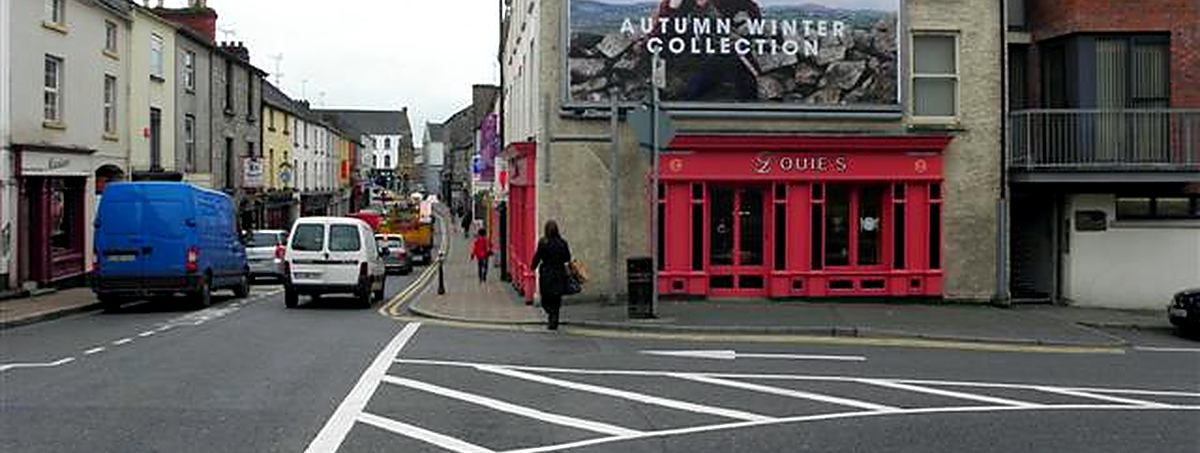
A proactive approach to identifying hazards can make public spaces safer, more accessible and easier to manage. In Monaghan Town, a walkability audit is helping identify where improvements to footpaths, road crossings and accessible parking could strengthen safety for residents and visitors. Reporting by Northern Sound highlights how the findings could support funding applications for improvements, offering a practical example of how structured assessments can help turn safety concerns into targeted action.
The need for preventative planning is reinforced by national road safety data. The Road Safety Authority’s pedestrian safety research found that 178 pedestrians were killed and 1,658 seriously injured on Irish roads between 2021 and 2025. A quarter of pedestrian fatalities involved people aged 75 or older. These figures underline why footpath conditions, crossing points, visibility and accessible routes should be treated as important elements of safety planning, particularly for older people and those with reduced mobility.
For health and safety professionals, the Monaghan audit demonstrates the value of assessing environments before hazards lead to incidents. Similar principles apply to workplaces, commercial premises and managed buildings, where routine inspections can identify uneven surfaces, obstructed routes, poor lighting and access barriers. Recording findings, prioritising risks and assigning responsibility for corrective action helps turn inspections into a consistent management process rather than a one-off exercise. It also creates an evidence base for deciding which improvements are most urgent and where resources should be directed.
The approach aligns with wider local planning. Monaghan County Council’s Local Transport Plan identifies measures including accessible parking, improved pedestrian and cyclist wayfinding, workplace active-travel plans and reviews of speed limits. While these measures do not confirm that every audit recommendation has been funded, they illustrate how safety and accessibility can be built into transport planning, maintenance and future investment decisions. For facilities and safety teams, coordination between inspections, maintenance schedules and capital planning can help ensure that identified risks lead to practical improvements.
Effective health and safety management starts with identifying risks early and following through. Monaghan’s walkability audit shows how listening to the people who use an environment, documenting barriers and building an evidence-based case for improvements can support safer, more inclusive spaces. The same disciplined approach can help organisations make better maintenance decisions and strengthen safety for everyone who uses their buildings and surrounding environments.







.png)
