

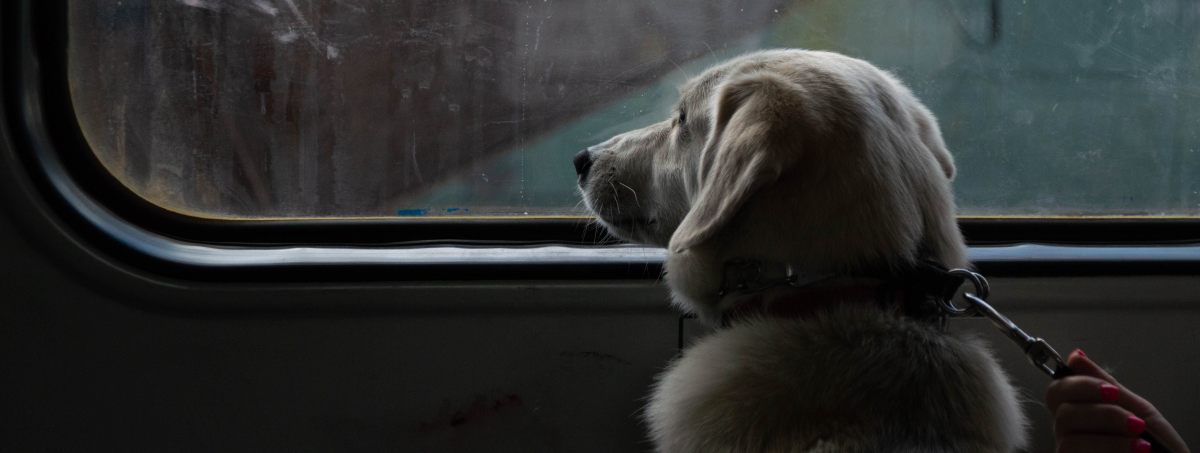
The National Transport Authority has proposed greater access for pets on public transport, highlighting the safety and operational considerations involved in managing shared passenger environments.
The proposals follow a public consultation that received 2,567 submissions, with a large majority supporting greater access for pets. As reported by RTÉ, the proposed changes would apply across Transport for Ireland bus, rail and Luas services, subject to conditions intended to protect passengers and maintain safe access.
The National Transport Authority is responsible for securing public passenger transport services and developing transport policy across Ireland. Its consultation examined the possibility of introducing a more consistent approach to pet access across the public transport network.
The health and safety significance lies in the balance between greater accessibility and the practical management of busy shared spaces. The NTA has proposed that small pets should not occupy seats or obstruct passageways, while animals must be managed in a way that protects the safety and comfort of passengers and other pets.
For transport operators, the proposed policy creates a wider operational challenge. Public transport environments must accommodate passengers with allergies, mobility requirements and fears of animals, while also maintaining safe evacuation routes and preventing unnecessary disruption during busy services.
The consultation also identified concerns around hygiene, crowding and enforcement. Transport operators and staff representative bodies raised questions about how rules would operate in practice, particularly where responsibility for managing non-compliant passengers or animals could fall on frontline workers.
The NTA has also proposed conditions for larger dogs, which would need to be kept on a lead and muzzled, while operators could refuse access where services are reaching capacity. The NTA consultation report confirms that further work will be required with operators before changes can be finalised and implemented.
Accessibility remains an important consideration. Existing unrestricted access arrangements for guide and assistance dogs are not expected to change, although organisations representing visually impaired passengers highlighted the importance of ensuring that uncontrolled pets do not interfere with working dogs.
The development demonstrates how changes intended to improve access can create new responsibilities for operational teams. Clear rules, staff guidance and consistent enforcement will be necessary to ensure that pet access does not compromise passenger safety or place additional pressure on frontline employees.
Importantly, the proposals are not yet in force. The NTA will now work with public transport operators to revise relevant bye-laws and conditions of carriage before any new arrangements can be introduced across the network.
For the sector, the lesson is direct: improving access to shared public environments requires careful safety planning. The National Transport Authority's proposed approach shows how accessibility, hygiene, passenger wellbeing and frontline operational responsibilities must be considered together before policy changes move into day-to-day practice.
Source: RTÉ / National Transport Authority








.png)
