

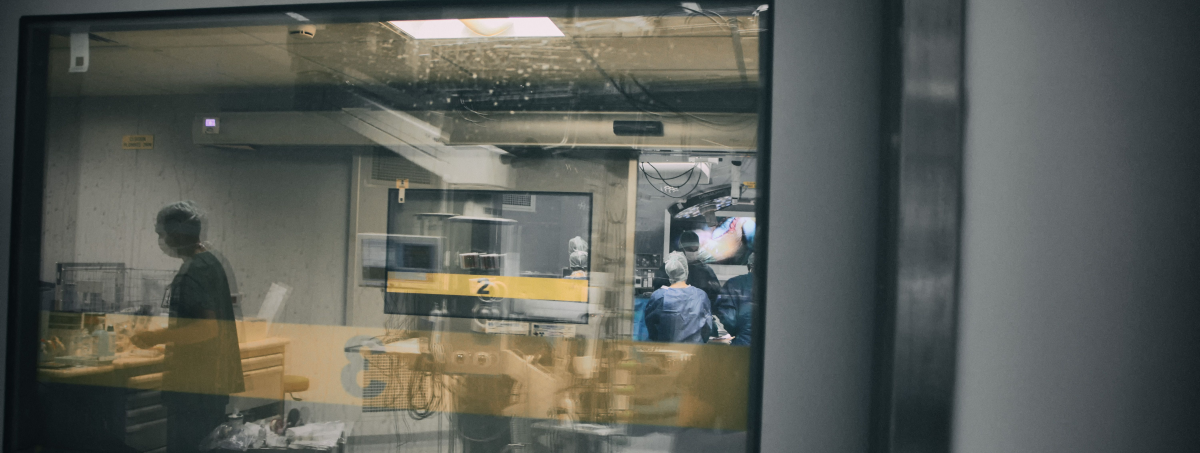
Safety concerns identified during an earlier inspection of a Tusla-operated children's residential centre have been addressed following a subsequent inspection by the Health Information and Quality Authority (HIQA).
The centre was previously found to be non-compliant with all five national standards assessed, with immediate risks identified to the safety, health and welfare of the three children living there at the time. According to RTÉ News, a follow-up inspection in June found that the centre was compliant with one of the five standards and substantially compliant with the remaining four, indicating significant progress in addressing the concerns identified earlier in the year.
A key area of improvement was the management of risk and the provision of a safe living environment. HIQA's inspection findings had previously identified weaknesses in management oversight, accountability and the handling of risks associated with illicit substance use at the centre. By the June inspection, management had taken action to strengthen oversight, clarify responsibilities and ensure that identified issues were addressed more promptly and monitored through to completion.
The improvements also affected how staff responded to risks affecting children. HIQA found that staff had clearer direction and support in managing the issue of illicit substance use, with a more consistent approach to safeguarding and care. Stronger communication and oversight helped establish clearer expectations for staff and supported a safer environment for children living at the centre.
The follow-up inspection did identify some remaining areas for improvement, including gaps in meetings, record-keeping and the wider management of risk. However, HIQA reported that these issues had not negatively affected the safety of the children at the time of the inspection. Some recommendations had also not been implemented within the expected timeframe and remained subject to monitoring by regional management.
For health and safety professionals, the case highlights the importance of effective governance, risk management and accountability in maintaining safe care environments. Identifying hazards is only the first step; organisations also need clear responsibilities, timely corrective action and systems for monitoring whether improvements have been effective.
For the sector, the lesson is clear: safeguarding and health and safety depend on continuous oversight rather than one-off interventions. The progress recorded at the centre demonstrates how stronger management systems, clearer accountability and consistent risk monitoring can help translate inspection findings into practical improvements in safety and wellbeing.
Source: RTÉ News / HIQA






.png)
