

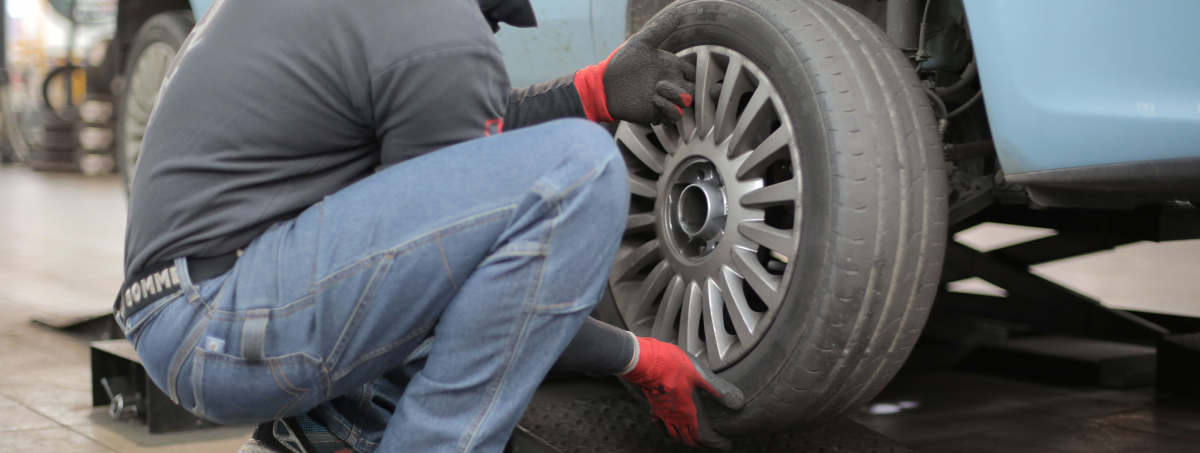
Vehicle safety presents an important opportunity for fleet managers and employers to strengthen workplace road safety. Bridgestone's September 2026 research found that 76% of UK drivers believe employers should do more to ensure tyres are safe and correctly maintained on vehicles used for work-related journeys, whether the employee drives a company car or their own private vehicle. Rather than representing a criticism of employers, the finding highlights a growing expectation among drivers that tyre safety should form part of a wider workplace safety culture. For health and safety professionals and fleet managers in Ireland and the UK, the research provides a useful opportunity to build a more structured and proactive approach to tyre safety as part of occupational road safety management.
The foundation for this approach is already well established. Under the Safety, Health and Welfare at Work Act 2005, Irish employers have responsibilities relating to employees who drive for work purposes, including appropriate consideration of vehicle safety. The Health and Safety Authority Ireland's work-related road safety guidance identifies vehicle condition, including tyre maintenance, as an important element of managing work-related driving risks. In the UK, the Health and Safety Executive's Managing Work-Related Road Safety framework similarly places responsibilities on employers whose workers drive as part of their role. This provides a strong basis for organisations to consider both company vehicles and grey fleet, where employees use their own vehicles for work journeys, as part of a consistent occupational road safety strategy.
The education dimension of Bridgestone's research also presents a valuable opportunity. Eighty-one percent of drivers surveyed want basic tyre knowledge, covering correct pressures, tread depths and tyre pressure monitoring systems, to be embedded in the learning-to-drive process. Northern Ireland's introduction of graduated driving licences later in 2026 provides another example of a structured approach to developing safer driving habits among new motorists. Employers can apply the same principle within their own organisations by making tyre awareness part of driver induction and progressively building knowledge through refresher training. Giving employees the right information from the outset can help make safe vehicle checks a routine part of work-related driving.
There are several practical steps Irish and UK employers can take to strengthen tyre safety within their occupational road safety programmes. First, fleet and grey-fleet managers can introduce a straightforward pre-journey vehicle check that covers tyre pressure, tread depth and visible damage. The RSA's employer road safety resources can help organisations develop a process that is simple for drivers to follow while providing a consistent approach to identifying potential issues. Second, organisations can incorporate tyre safety awareness into driver induction and annual refresher training, covering the fundamentals highlighted by Bridgestone's research. This can include understanding the correct tyre pressure for the vehicle, the legal minimum tread depth of 1.6mm, and the appropriate response to tyre pressure monitoring system alerts. Third, organisations managing grey fleets can include tyre condition within their existing vehicle safety requirements, creating a consistent standard for employees using their own vehicles on work-related journeys.
Tyre safety is a particularly practical area in which employers can strengthen occupational road safety. The checks are straightforward, the knowledge required is accessible, and the research suggests that drivers themselves support greater employer involvement. By incorporating tyre awareness, routine checks and clear vehicle-safety expectations into existing programmes, organisations can turn that support into a stronger and more consistent approach to preventing avoidable road risks. In doing so, tyre safety becomes more than a maintenance task. It becomes a practical part of creating safer journeys and a stronger workplace safety culture.










.png)
